
Diversity in STEM
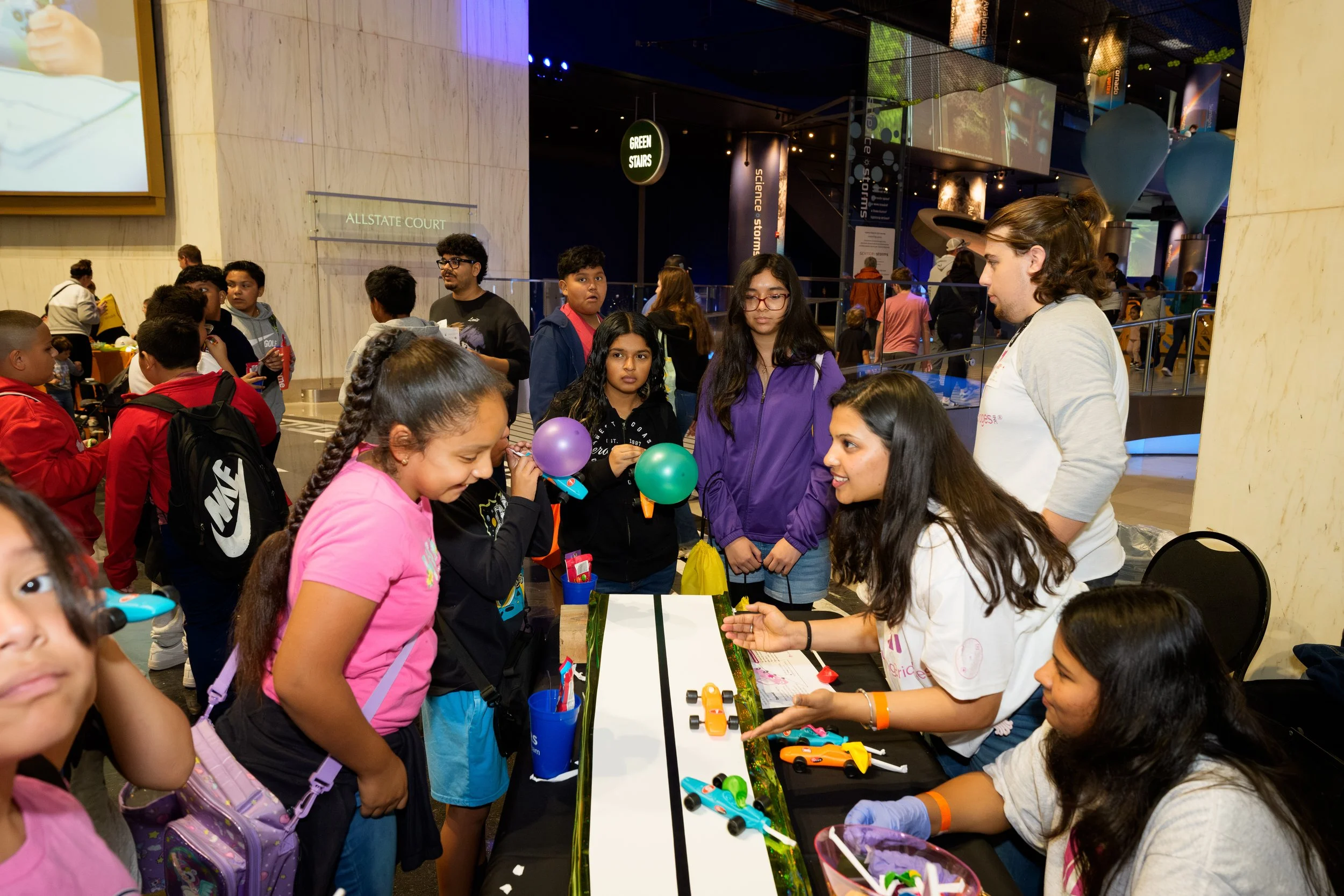
The strength of any ecosystem is rooted in its diversity. In the realms of Science, Technology, Engineering, and Mathematics (STEM), diversity serves as a cornerstone of innovation, creativity, and inclusive growth. The exploration of novel solutions to the world's most pressing problems requires a multifaceted and multicultural perspective, brought about by individuals of different backgrounds, ethnicities, genders, and abilities. However, despite the obvious merits, the STEM fields still suffer from a noticeable lack of diversity. In this blog post, we will dissect the importance of diversity in STEM, investigate the obstacles, and propose viable solutions to foster an inclusive STEM community.
Understanding the Significance of Diversity in STEM
Firstly, diversity is instrumental in fostering innovation. It is a well-established fact that diverse teams are more innovative, as varied backgrounds bring distinct perspectives to the table, resulting in a broad spectrum of ideas. Diversity propels teams beyond homogeneity and groupthink, promoting comprehensive problem-solving strategies.
Secondly, diversity in STEM helps ensure equitable societal advancement. The technologies, research, and breakthroughs derived from STEM disciplines have widespread impacts on society. If these fields are populated predominantly by a single demographic, the needs of the rest of society may remain unrecognized and unaddressed.
Promoting Diversity: Actionable Steps
A myriad of factors contribute to the lack of diversity in STEM. These include cultural biases, systemic issues in education, lack of role models, and implicit biases. At Building Bridges, Inc., our STEM programs are culturally relevant in that they provide a sense of community, representation, and exposure for diverse backgrounds. Whether that is through hands-on learning or mentoring workshops, our staff and interns make sure that all students are involved to share their perspectives, ask questions, and work collaboratively.
Promoting diversity in STEM isn't an overnight task, but here are some actionable steps that can be undertaken:
Curriculum Reform: Modifying educational curricula to make them more inclusive can spark an early interest in STEM among diverse students. By incorporating stories and contributions of scientists from varied backgrounds, we can help students relate better and aspire towards a career in STEM. We incorporate this at Building Bridges, Inc. by inviting STEM professionals and volunteers to support our STEM outreach efforts during in school and after school programs.
Inclusive Environments: Organizations must cultivate an inclusive culture where all students feel valued and appreciated. We incorporate this at Building Bridges, Inc. during reflection moments during our STEM programs by asking students to share what they learned during the STEM program or present their vision boards during our vision board workshops.
Community Partnerships: Partnering with community organizations can help reach diverse audiences, promoting STEM education and opportunities. We incorporate this aspect at Building Bridges, Inc. through our strategic partnerships with community organizations that care about providing exposure opportunities in STEM to students from diverse backgrounds.
Promoting diversity in STEM is a means of driving innovation, fostering creativity, and ensuring equitable societal development. By embracing diversity, we can ensure that STEM not only becomes a mirror of our varied world but also benefits all its inhabitants equally. With concerted efforts from educators, institutions, and society at large, we can cultivate a rich, diverse ecosystem of STEM professionals primed to tackle the challenges of the future.